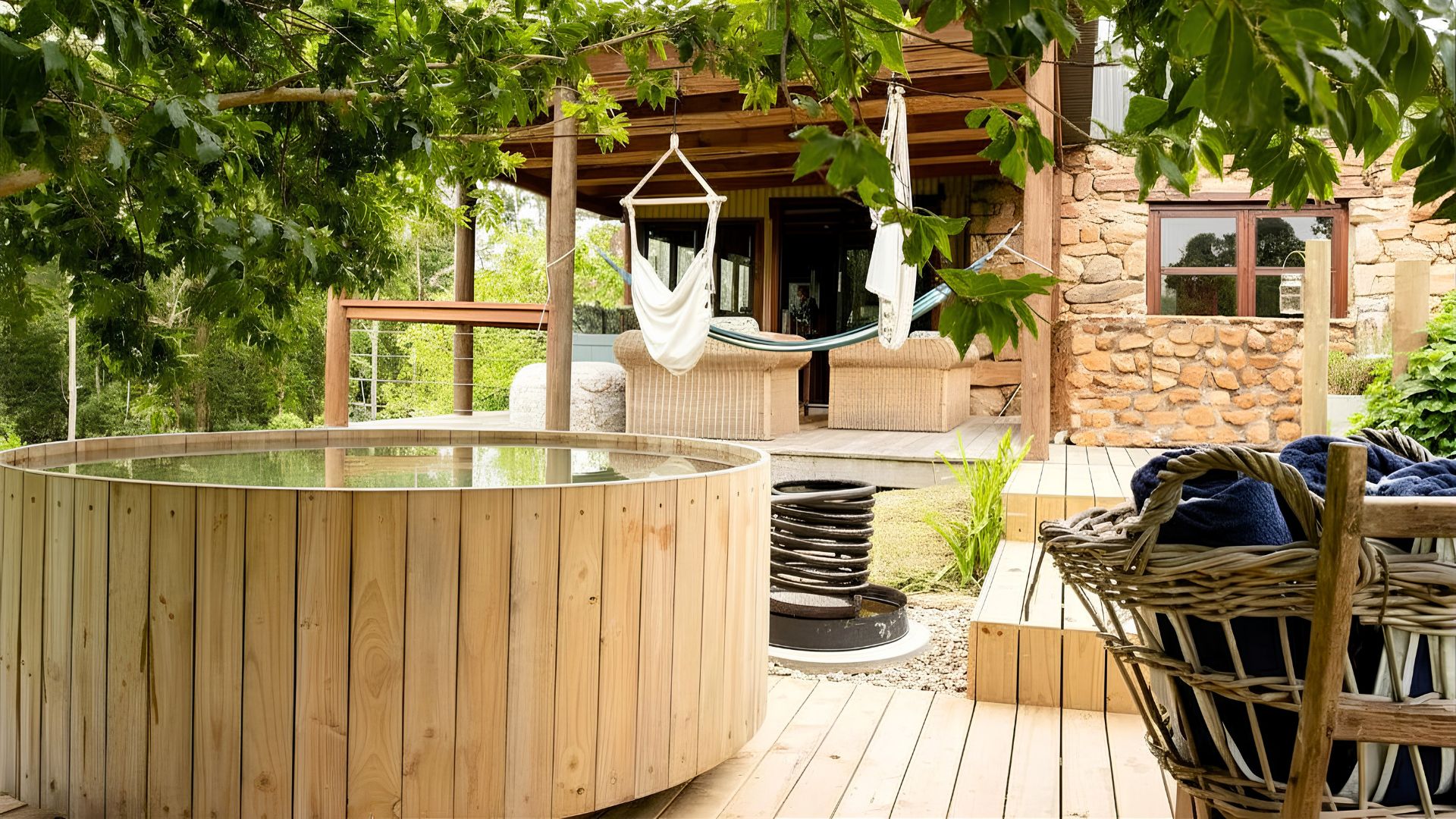
At Buitengewoon, we believe luxury is not only what you see – it is what you cannot.
Beneath the timber, beneath the waterline, beneath the warmth of the fire – there is structure. And structure determines whether something lasts…
This is why we build every Buitengewoon wood-fired hot tub using vinylester resin technology rather than standard polyester resin.
Because true craftsmanship lives in the unseen layers.
The Hidden Science Behind a Better Soak
A wood-fired hot tub lives in a demanding environment:
– Constant exposure to water
– Elevated temperatures
– Natural movement from heating and cooling cycles
– Water treatment systems and minerals
– Over time, inferior materials begin to show their limits.
Many manufacturers use polyester resin because it is cheaper and easier to process. But polyester absorbs more water and is more prone to blistering, cracking and long-term degradation – especially in hot environments.
We chose differently.

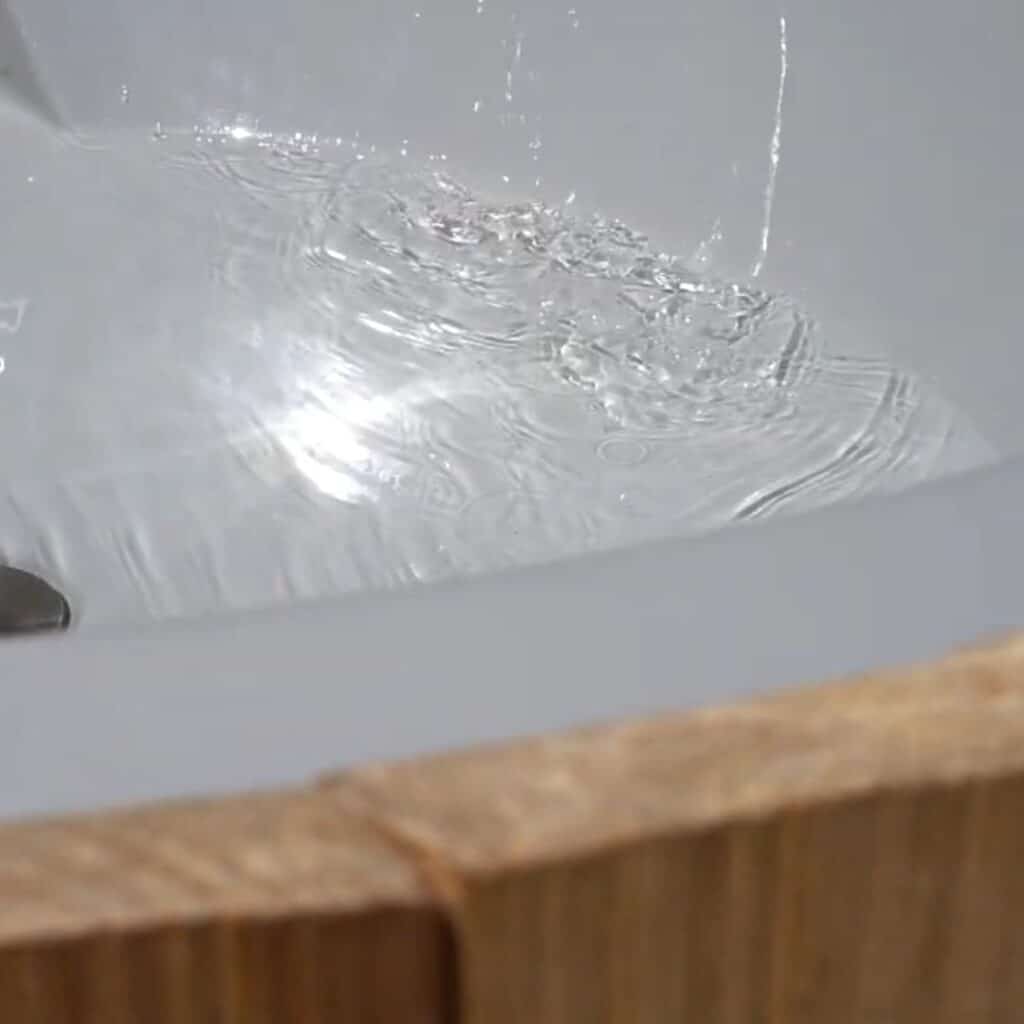
What Makes Vinylester Superior?
Exceptional Water Resistance
Vinylester resin has significantly lower water absorption compared to polyester.
This dramatically reduces the risk of:
– Osmosis
– Blistering
– Delamination
– Structural fatigue
For a hot tub that remains filled and heated for extended periods, this is critical.
Built for Heat
– Wood-fired tubs naturally cycle through temperature changes.
– Vinylester maintains structural integrity at elevated temperatures far better than polyester.
– It resists softening and retains strength even during repeated heating cycles.
– That means fewer micro-cracks. Less stress. More longevity.
Greater Structural Strength
Vinylester offers:
– Higher tensile strength
– Greater flexibility before failure
– Improved impact resistance
In practical terms: your tub handles transport, installation, and full water loads without compromising its shell integrity.
Built for Enduring Performance
Even without aggressive chemical systems, hot water alone is demanding over time. Vinylester is widely used in demanding marine environments for its strength and resistance to prolonged water exposure. We apply that same principle to every Buitengewoon tub.
Why Most Brands Still Use Polyester
– Polyester resin is cheaper and easier to manufacture with.
– Vinylester costs more and requires tighter process control.
– We choose vinylester because our goal is simple:
To build something that will outlast trends, seasons and shortcuts.
Built Quietly. Built Properly.
You may never see the resin system inside your tub.
But you will feel the difference over time:
– No blistering.
– No hidden structural fatigue.
– No premature ageing.
Just enduring performance – wrapped in timber, warmed by fire.
That is the Buitengewoon way.
Considering a Wood-Fired Hot Tub?
If you’re exploring long-term investment pieces rather than seasonal purchases, we invite you to explore our full collection.
Every Buitengewoon tub is built with vinylester resin as standard – never as an upgrade.
Explore Our Wood-Fired Hot Tubs →

Frequently Asked Questions
Vinylester resin has lower water absorption, better heat resistance and greater structural flexibility than polyester. This makes it more durable in warm, water-filled environments like wood-fired hot tubs.
Yes. Vinylester resin significantly reduces the risk of osmosis and blistering because it resists water penetration far better than polyester resin.
Yes. Vinylester resin costs more and requires stricter manufacturing control. However, it offers superior long-term durability and structural performance.
Vinylester resin is used because of its strength, flexibility and resistance to water absorption. When properly manufactured and maintained, it provides excellent long-term durability.
Want to Learn More?
For detailed answers on installation, delivery, materials, accessories, and care, explore our full Frequently Asked Questions page.
Alternatively, see our What to Know Before Buying Your First Hot Tub or 5 Health Benefits of Soaking in a Hot Tub blogs.