Why this spring’s best garden investment might not be another plant or patio.
We spend a lot of time making our gardens beautiful.
We plant. Landscape. Pave. Prune. Choose furniture. Move pots around until everything feels just right.
And spring has a way of making us want to do it all over again.
But before adding another garden bed, replacing the furniture or redesigning the patio, there’s a more useful question to ask:
Will any of it actually make us spend more time outside?
Because some of the most beautiful gardens are barely used.
We look at them through the kitchen window. Walk through them to get somewhere else. Sit outside when friends come over – then retreat indoors again.
Perhaps the next evolution in outdoor living isn’t about making our outdoor spaces more beautiful.
Perhaps it’s about making them harder to leave.

Start with what you want to do outside
If you’re thinking about changing your garden this spring, don’t start with:
“What should we put here?”
Start with:
“What would we like to do here?”
It’s a small shift, but it leads to very different decisions.
If you want to drink coffee outside every morning, you may not need a new patio. You need somewhere comfortable to sit where the early sun lands.
If you want friends to stay longer after dinner, perhaps warmth, lighting and somewhere to settle matter more than another garden bed.
If you want to spend more evenings outdoors, give yourself a reason to be there – somewhere to cook, a fire to light, water to swim or soak in, or simply a comfortable place to watch the sun disappear.
The best outdoor living spaces begin with what you want to experience.
The objects come afterwards.

Give the garden somewhere worth going
The gardens we love spending time in rarely feel like one large, perfectly landscaped space.
They have destinations.
A table beneath a tree.
A quiet chair that catches the morning sun.
A vegetable garden.
A fire pit slightly removed from the house.
A pool.
And then there are features that become destinations in themselves.
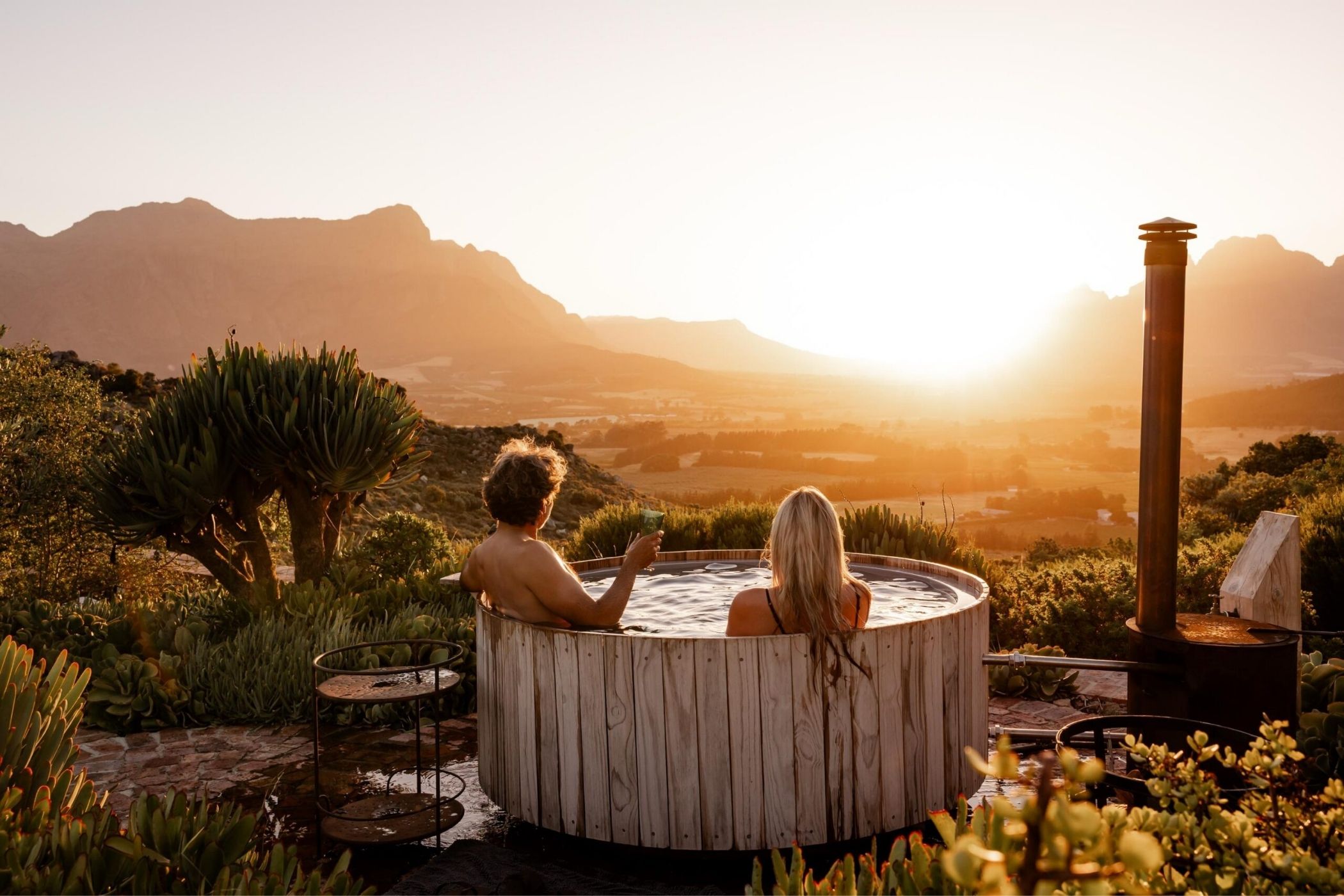
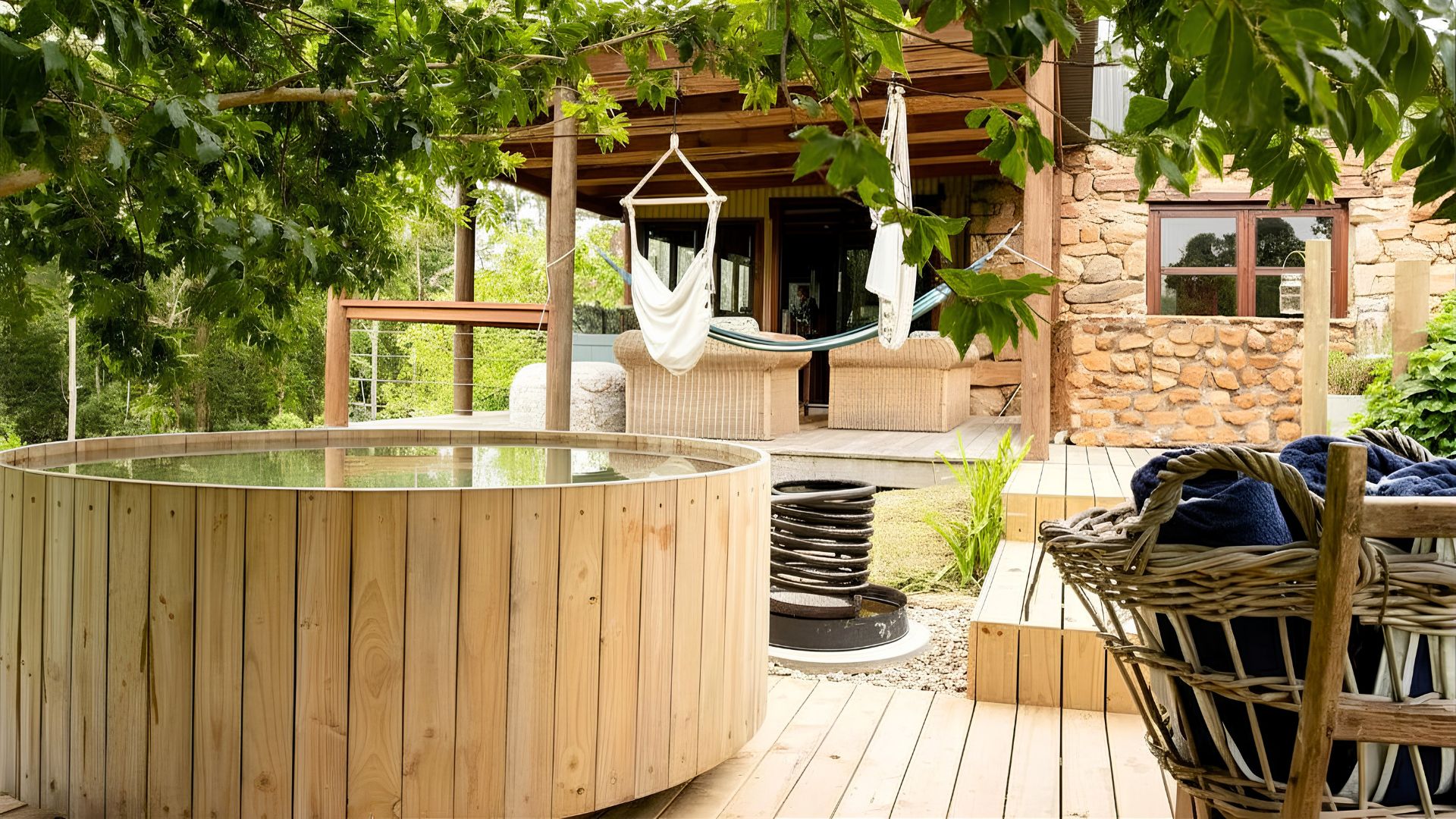
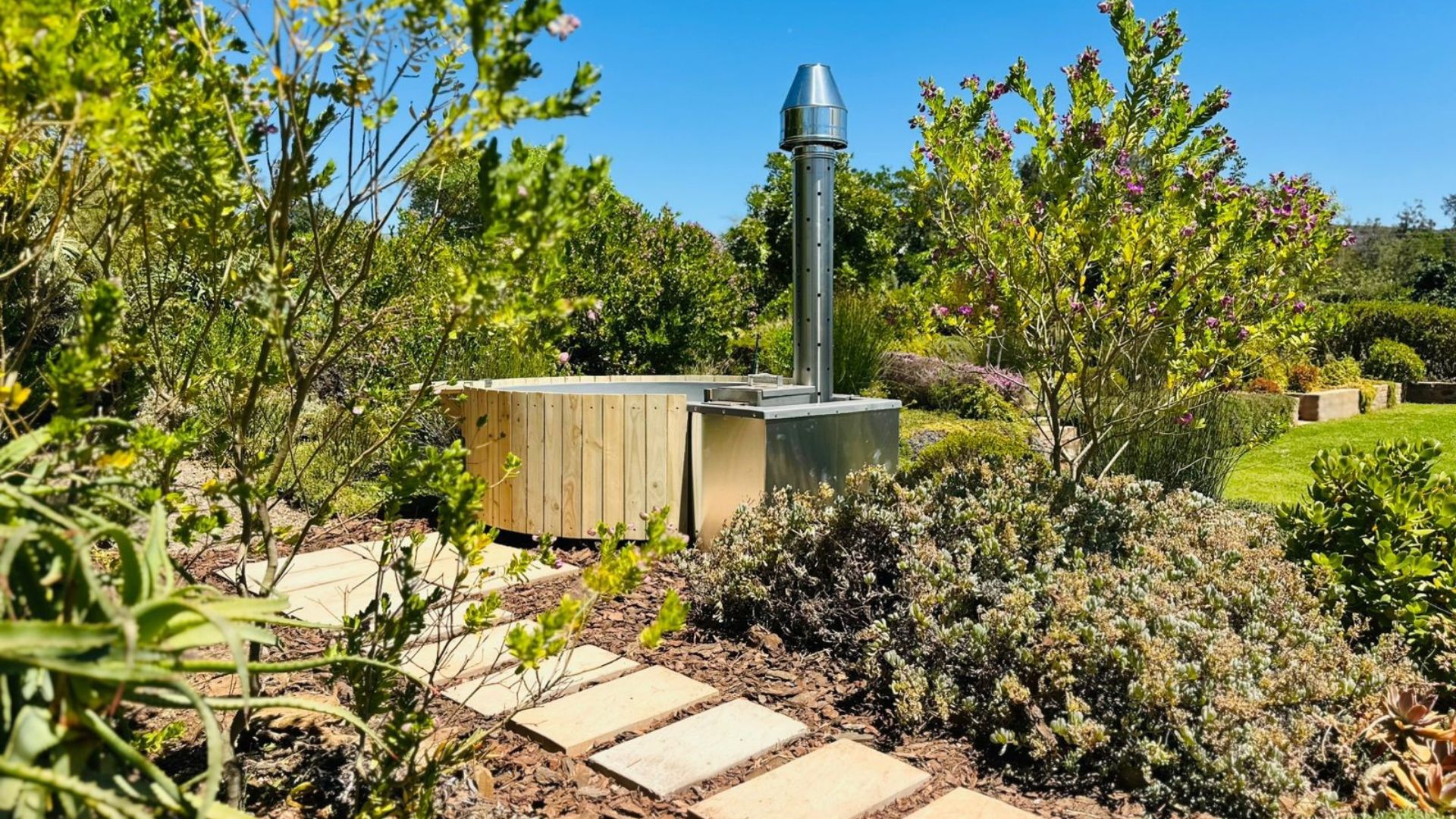
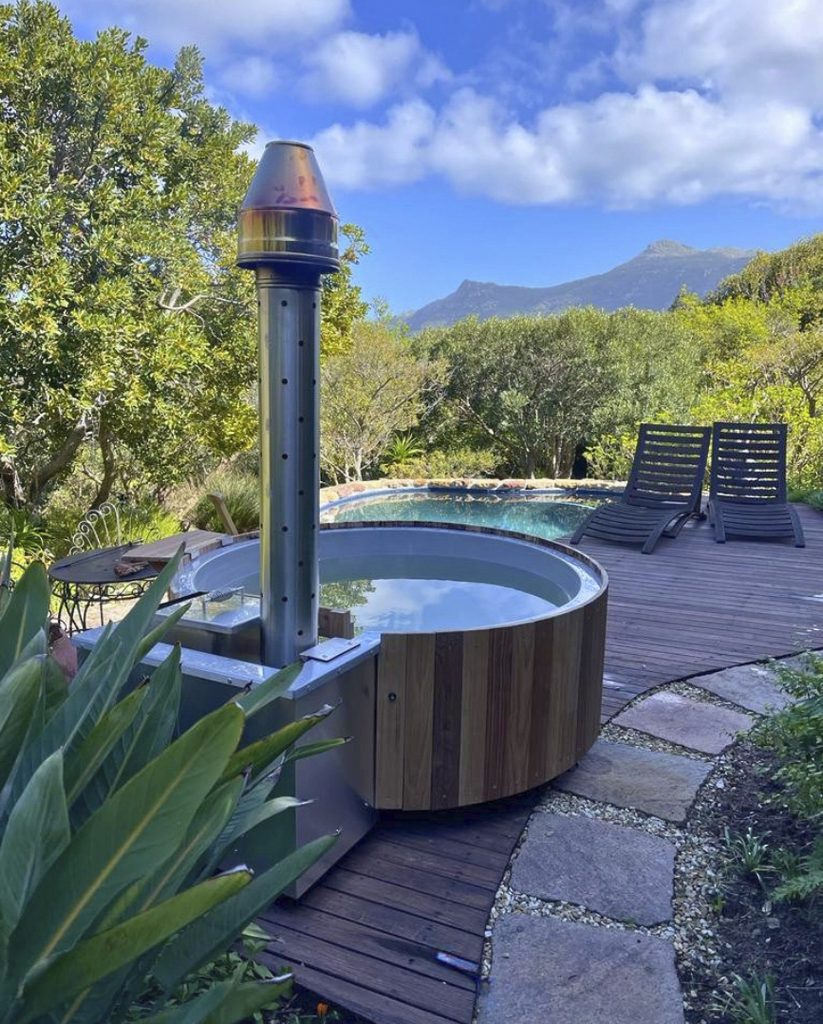
A wood-fired hot tub tucked beyond the lawn, surrounded by planting or positioned to catch a view doesn’t simply fill an empty space.
It gives you a reason to cross the garden.

Coffee in warm water on a cool morning.
An afternoon soak in the spring sunshine.
A fire lit before friends arrive.
Warm water beneath the stars long after dinner has ended.
Suddenly, a part of the garden that you previously walked past has a purpose.
And once there is a reason to go there, the garden starts being used differently.
Notice what your garden is already telling you
Before changing anything, spend a day paying attention.
Where does the sun land at 08:00?
Where is the shade at 14:00?
Which part of the garden is protected from the wind?
Where can you see the sunset?
Which corner becomes unexpectedly beautiful after dark?
These observations are often more useful than starting with a mood board.
A sunny morning corner might become the coffee spot.
Afternoon shade might tell you where the table belongs.
And the forgotten end of the garden might turn out to be exactly where you create your retreat.
Work with the garden you have before deciding what you need to add.
Design for more than your eyes
A great garden isn’t only visual.
Outside, we experience temperature, texture, scent, sound and movement.
Rosemary releasing its scent as you brush past it.
Warm stone beneath bare feet.
Grasses moving in the wind.
The crackle and smell of a wood fire.
Fingers trailing through warm water while the evening air turns cool.
These are small things. But they’re often what we remember.
Perhaps that’s why we’re so instinctively drawn to fire and water.
They make us notice where we are.


Leave room for life
There is a danger in making an outdoor space too perfect.
The most inviting gardens often have a little looseness.
Plants spill over edges.
Wood is stacked nearby.
Towels appear.
Someone leaves a book on a chair.
There are glasses on the table and shoes abandoned somewhere nearby.
Evidence of life isn’t necessarily clutter.
Often, it’s what makes a space feel welcoming.
Your garden doesn’t need to feel like an exterior showroom.
It needs to feel like somewhere you’re allowed to stay awhile.
Think in rituals, not features
The outdoor spaces that become part of our lives often have a ritual attached to them.
Saturday breakfast outside.
The first swim after work.
Lighting the braai.
Picking herbs for dinner.
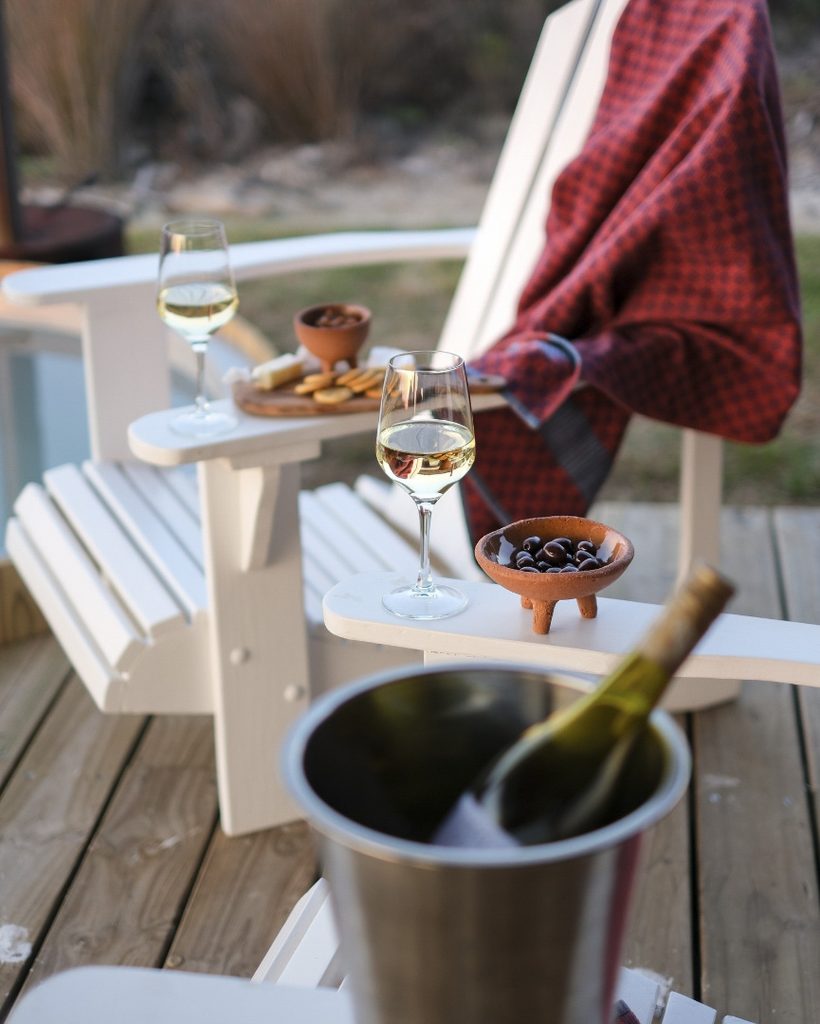
Opening a bottle of wine as the sun goes down.
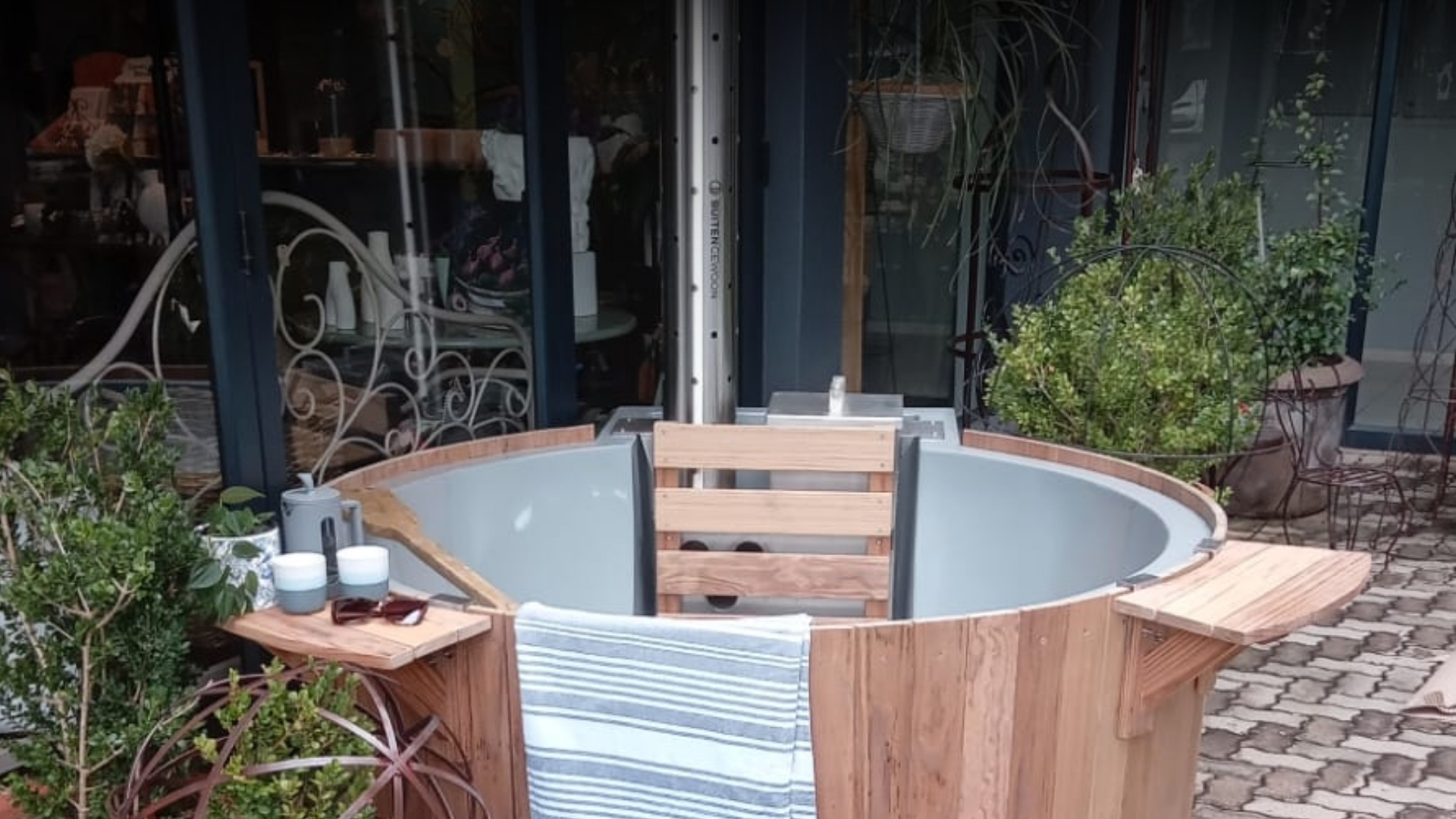
And this is part of the appeal of a wood-fired hot tub.
It isn’t simply warm water waiting outside.
You stack the wood.
Light the fire.
Check the temperature.
Bring the drinks outside.
The heating becomes part of the evening.
And once you’re in, something else happens.
You stay outside.
On evenings when you might otherwise have disappeared indoors after dinner, you’re still in the garden an hour later – talking, looking at the sky, listening to the fire.
The hot tub hasn’t simply changed the garden.
It has changed what you do there.

Before you redesign your garden this spring
Before buying anything, spend a weekend observing how you already live outside.
Ask yourself:
When would we most like to be out here?
What stops us from going outside now?
Where does everyone naturally gravitate?
What would make an ordinary weekday evening feel different?
What would we genuinely use every week?
Perhaps the answer is more shade.
Somewhere to eat.
A place for fire.
Water.
A quiet corner.
Or one extraordinary destination at the bottom of the garden.
Whatever it is, start with the life you want to live there – not simply the things you want to put in it.
Because the most successful garden isn’t necessarily the one people photograph.
It is the one where nobody wants to go back inside.

Create your reason to go outside
A Buitengewoon wood-fired hot tub creates more than a focal point in the garden.
It creates somewhere to go, something to do and a reason to stay outside a little longer.
Already planning where a hot tub could fit? Read our guide to transforming your garden with a Buitengewoon hot tub.